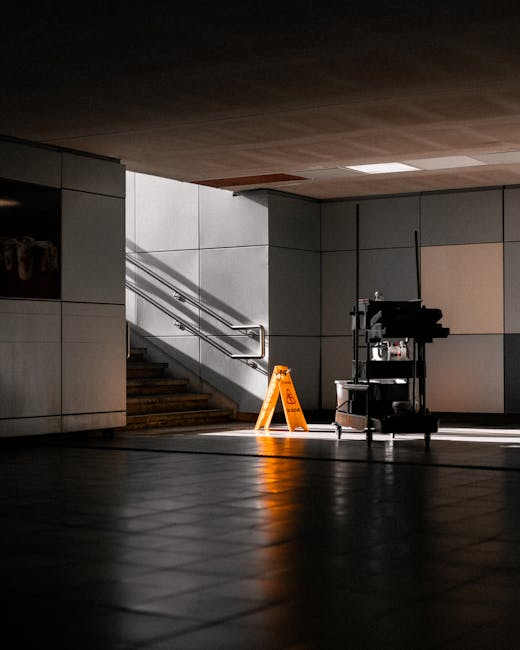
Purley Way office cleaning South Croydon business services: a practical guide for cleaner, calmer workplaces
If your office sits near Purley Way or serves clients across South Croydon, you already know how quickly a workspace can go from tidy to tired. Footfall brings dust, entrance mats get grimy, meeting rooms pick up fingerprints, and the kitchen somehow develops a life of its own by Thursday afternoon. That is exactly where Purley Way office cleaning South Croydon business services come in: not as a luxury, but as a sensible way to keep the place presentable, healthy, and easier to run.
This guide explains what office cleaning usually covers, how the service works, what to look for from a provider, and where businesses often go wrong. You will also find practical checklists, a comparison table, and a realistic example so you can make a better decision without guesswork. Let's face it, nobody needs another vague "clean office" promise.
- Why it matters
- How the service works
- Benefits and practical advantages
- Who needs this and when it makes sense
- Step-by-step guidance
- Expert tips for better results
- Common mistakes to avoid
- Tools, resources and recommendations
- Law, compliance, standards, and best practice
- Options, methods, and comparison table
- Case study or real-world example
- Practical checklist
- Conclusion
- Frequently asked questions
Why Purley Way office cleaning South Croydon business services Matters
Office cleaning does more than remove visible dirt. In a busy commercial setting, it supports the way the whole business feels and functions. A clean reception area signals order. Clean washrooms reduce complaints. Fresh carpets and upholstery make a better impression on clients and staff alike. Small things, yes, but they add up fast.
Purley Way is a practical commercial corridor, with businesses that often deal with deliveries, visitors, shift patterns, and the ordinary mess that comes from real working life. Dust builds up around desks and skirting boards. Chairs get marked. Carpets trap grit. The tea area becomes a magnet for crumbs, splash marks, and sticky handles. You do not always notice it day by day, but visitors do.
There is also the matter of staff comfort. People work better in spaces that feel cared for. It is not about perfection; it is about consistency. When cleaning is handled properly, it reduces that slightly flat, stale feeling that offices can develop by midweek. You know the one. A room can be technically tidy and still feel off.
For South Croydon businesses, local relevance matters too. A provider familiar with commercial cleaning in the area is more likely to understand access, timings, commuting patterns, and the realities of cleaning around trading hours. That can make a genuine difference if you need early-morning, evening, or weekend work without disruption.
How Purley Way office cleaning South Croydon business services Works
Most office cleaning services start with a walkthrough or initial consultation. This is where the cleaner or contract manager looks at the space, asks how the business operates, and identifies high-touch or high-traffic areas. A small office with a handful of desks needs a different plan from a multi-room workspace with meeting areas, toilets, break rooms, and reception.
The cleaning plan usually covers a mix of routine tasks and periodic deep-cleaning tasks. Routine work might include emptying bins, wiping surfaces, vacuuming floors, sanitising touchpoints, and replenishing consumables if that is part of the arrangement. Periodic tasks can include carpet cleaning, upholstery cleaning, stain removal, or steam cleaning of specific areas when needed.
In a well-run service, the schedule is built around your business hours. Some clients want early-morning cleans so the office is ready before the first team member arrives. Others prefer evening visits after staff have left. There is no universal best option; the right approach depends on how the workplace is used and how sensitive it is to disruption.
A good provider will also distinguish between regular maintenance and specialist treatment. For example, a carpet may look fine on the surface but hold in embedded soil, spills, and odours. That is when services such as steam carpet cleaning or commercial carpet cleaning become useful rather than optional.
To be fair, the best office cleaning is often the least dramatic. You notice it because you stop noticing grime, not because someone has shouted about it. That is usually the sign of a good system.
Key Benefits and Practical Advantages
There are several benefits to using professional cleaning support for offices near Purley Way and across South Croydon. Some are obvious, some less so.
- Better first impressions: reception, meeting rooms, and shared areas feel more professional.
- More consistent hygiene: high-touch surfaces are cleaned on a predictable schedule.
- Reduced wear and tear: regular floor and fabric care helps preserve carpets, chairs, and soft furnishings.
- Less internal workload: staff can focus on their jobs instead of trying to police crumbs and overflowing bins.
- Improved morale: people generally work better in spaces that feel looked after.
- Flexible support: cleaning can be matched to opening hours, staff numbers, and traffic levels.
There is a practical business case too. If a workspace sees regular visitors, the condition of the environment quietly affects trust. Clients may never mention a clean carpet or a spotless glass table, but they will notice a neglected one. And once they notice, it is hard to unsee.
Another advantage is durability. Office carpets, rugs, and chairs age faster when grit and stains are left in place. Supporting cleaning with periodic specialist treatments can prolong the life of soft furnishings. If your space has a few stubborn marks or worn-looking chairs, pairing routine cleaning with stain removal or upholstery cleaning may be the smarter long-term choice.
Who This Is For and When It Makes Sense
This type of service is suitable for a wide range of businesses. The common thread is simple: if people work there, visit there, or meet there, cleanliness matters.
- Small offices with limited in-house maintenance support
- Shared business units and managed workspaces
- Client-facing offices with reception and meeting rooms
- Professional practices that need a neat, reassuring environment
- Teams working hybrid patterns who still rely on a central base
- Businesses with carpets, fabric seating, or heavier foot traffic
It makes sense to bring in professional cleaning when internal tidying is no longer enough. That often happens gradually. First, a few marks on a meeting chair. Then a lingering smell near the kitchen. Then the carpet in the entrance starts to look darker than the rest of the floor. By the time everyone comments on it, the problem has usually been there for weeks.
Office cleaning is also worth considering after a staff change, a period of intense trading, a refurbishment, or any event that leaves the place looking a bit defeated. Business premises have moods, odd as that sounds, and some spaces need a reset.
If your team handles the basics but struggles with the deeper stuff, a hybrid approach can work well: routine daily tidying in-house, with professional support for floors, fabrics, and periodic deep cleans. That tends to be more realistic than expecting office staff to clean like a commercial team on top of everything else.
Step-by-Step Guidance
If you are arranging office cleaning for the first time, or reviewing an existing arrangement, a structured approach helps. Here is the simplest way to do it without overcomplicating things.
- List the spaces that matter most. Reception, desks, meeting rooms, washrooms, kitchen areas, stairs, and any high-traffic entrances.
- Decide what "clean" means for your business. Some workplaces need spotless presentation. Others mainly need hygiene and consistency. Both are valid, but they are not the same brief.
- Identify priorities and pain points. For example: fingerprints on glass, stains on carpets, odours in soft seating, or dust around electronics.
- Choose the frequency. Daily, several times a week, weekly, or a deeper periodic service depending on use.
- Confirm access and timing. Keys, alarms, parking, loading access, and safe entry instructions all matter more than people expect.
- Agree the scope in plain English. Which tasks are included, which are extra, and what happens if a stain or issue needs specialist treatment?
- Review after the first few visits. Walk the space with a fresh eye. If something keeps getting missed, say so early.
A small but useful tip: create a room-by-room cleaning map. It can be as simple as a one-page sheet that says what needs attention, how often, and who signs it off. Nothing flashy. Just useful. Sometimes the boring bits are the bits that save you.
Expert Tips for Better Results
If you want better outcomes from office cleaning, the secret is usually clarity rather than complexity. Here are the habits that tend to make a noticeable difference.
- Separate daily maintenance from deep-clean tasks. They solve different problems.
- Protect the entrance first. Mats and entry points collect the most grit, so this is often where the payoff is highest.
- Use the right method for the material. Carpet, vinyl, glass, and upholstered seating should not all be treated the same way.
- Act on stains quickly. Fresh spills are easier and cheaper to deal with than old ones that have settled into fibres.
- Keep a simple log. Even a short record of issues helps you spot patterns.
Another practical point: ask whether specialist services can be added when needed. For example, if chairs are looking dull, a one-off sofa cleaning approach may be suitable for lounge-style seating, while desks and floors stay on the standard schedule. It is often the mix that works best, not a single all-purpose visit.
If you have pets visiting the office occasionally, or shared spaces that carry odour after a long day, pet stain odour removal may sound niche, but it can be very useful in practice. Real offices are not sterile showrooms. They are lived-in spaces, and life leaves traces.
Common Mistakes to Avoid
A lot of office cleaning problems come from vague expectations. The service itself may be fine; the brief was the issue. Here are the mistakes we see most often.
- Assuming "cleaning" means the same thing to everyone. It rarely does.
- Ignoring specialist areas. Carpets, sofas, curtains, and rugs need different treatment from hard surfaces.
- Choosing price alone. Cheap cleaning that misses key areas is not actually cheap.
- Not checking access details. A cleaner who arrives but cannot enter the building is a waste of time for everyone.
- Leaving stain treatment too late. That coffee mark in the corner has probably been there long enough.
- Overlooking washrooms and kitchens. These areas create strong impressions, for good or bad.
One small human truth here: people often remember the thing they see first and the thing they smell last. If reception looks tidy but the break room feels a bit stale, the whole office gets judged on that. Bit unfair, maybe, but that is how it goes.
Tools, Resources and Recommendations
Good cleaning is part planning, part technique, and part using the right equipment for the job. You do not need to become a cleaning technician yourself, of course, but it helps to understand what capable providers usually bring.
- Microfibre cloths: useful for dusting and surface wiping without leaving unnecessary residue.
- Commercial vacuum cleaners: designed for more intensive floor use than a domestic machine.
- Steam-based systems: often used for deeper treatment of carpets and certain hard-wearing surfaces.
- Spotting and stain products: chosen carefully to suit fabric and pile type.
- Upholstery tools: for chairs, sofas, banquettes, and similar seating.
For offices with lots of carpet, it can be worth asking whether periodic steam work is included or available as an add-on. Our experience is that many businesses leave carpet care too long because the floor "still looks fine" from a distance. Then one day you catch it in daylight and realise the entrance has quietly gone grey. Happens all the time.
You may also want to review the cleaning company's wider service pages so you understand what support exists around the core office clean. Relevant options can include carpet cleaning, rug cleaning, and curtain cleaning where fabric-heavy rooms need extra attention. If hard floors are dominant, routine office cleaning can be paired with targeted floor maintenance rather than blanket treatments.
For commercial buyers, it is also sensible to compare how quotes are handled. A transparent estimate should explain the frequency, areas covered, specialist add-ons, and any assumptions about access. The pricing and quotes page is a useful place to understand how a provider structures that process. And if payments are going to be made online or by card, a clear payment and security process is part of a professional experience, not an optional extra.
Law, Compliance, Standards, or Best Practice
Office cleaning for business premises should always be approached with care around health, safety, and access. Exact legal duties can vary by workplace type, but the everyday best practice is straightforward: use suitable methods, train staff properly, and avoid creating hazards while cleaning.
For example, wet floors should be marked clearly. Electrical equipment should be cleaned in a way that does not create risk. Chemicals should be stored and used sensibly. Cleaners should understand any building-specific instructions, fire escape routes, alarm procedures, or security requirements. None of that is glamorous, but it matters more than shiny results alone.
Businesses also need to think about data and privacy in office settings. Cleaning staff may pass through areas where sensitive documents or screens are visible. A trustworthy provider will work with that reality in mind, keeping access controlled and respecting the workspace. You do not want a cleaner rearranging papers on a finance desk, obvious enough, but it is the kind of boundary that should be clear.
Where a company has its own published policies, it helps if those are aligned with the cleaning contractor's working practices. If you want to review site-specific commitments, pages like health and safety policy, insurance and safety, recycling and sustainability, and terms and conditions can help set expectations. It is also sensible to understand how complaints are handled through a clear complaints procedure and how your data is treated under the company's privacy policy.
If accessibility matters in your workplace, or if your business serves people with different mobility or communication needs, a provider that takes accessibility seriously is usually easier to work with. That is not only a courtesy; it is part of running a decent operation. Even the smaller policies matter sometimes. A business that has thought through its accessibility statement and about us information tends to be more organised overall.
Options, Methods, or Comparison Table
Different offices need different cleaning approaches. Here is a simple comparison to help you decide what fits best.
| Method | Best for | Strengths | Limitations |
|---|---|---|---|
| Routine office cleaning | Desks, bins, washrooms, kitchens, touchpoints | Consistent, predictable, keeps the workplace presentable | May not tackle deep carpet soil or embedded stains |
| Commercial carpet cleaning | Busy entrances, corridors, meeting rooms, office flooring | Improves appearance and helps maintain carpet life | May require drying time and access planning |
| Steam cleaning | Deeper cleaning of suitable carpeted areas | Useful for embedded dirt and more intensive refreshes | Not every fabric or surface is suitable |
| Upholstery and soft furnishing cleaning | Office chairs, sofas, reception seating, fabric panels | Improves look and removes general build-up | Material sensitivity means proper assessment is needed |
| Targeted stain treatment | Spills, marks, localised problem spots | Efficient and cost-conscious when used early | Old stains can be stubborn and may need repeat work |
In many offices, the best answer is not one method but a layered plan. Routine maintenance keeps things under control, and specialist treatments step in where wear, traffic, or incidents have gone beyond the basics. That is usually the sweet spot.
Case Study or Real-World Example
Picture a small professional office near Purley Way with eight staff, one reception area, two meeting rooms, a kitchen, and a corridor that sees constant foot traffic. For months, the team had been doing their own cleaning in bits and pieces. It looked fine at a glance. But by late afternoon, the reception area had fingerprint smudges on glass, the kitchen bins were starting to smell, and the carpet near the entrance had developed a darker strip where everyone came in with wet shoes on wet days.
The turning point was not a catastrophe. It was a client arriving early one winter morning and the place feeling a bit more tired than anyone wanted to admit. They brought in a commercial cleaning plan with regular maintenance, periodic carpet treatment, and a small amount of fabric care for the waiting area seating. Nothing dramatic. Just steady, sensible work.
After a few visits, the difference was obvious. The entrance looked sharper, the meeting room felt fresher, and staff stopped having those awkward "should someone deal with that?" conversations. The office did not become showroom-perfect, because real offices are not showrooms. But it became presentable in a way that supported the business instead of distracting from it.
That is often the real value of office cleaning: not glamour, not fuss, just a workplace that quietly does its job better.
Practical Checklist
Use this checklist when you are arranging or reviewing office cleaning for a South Croydon or Purley Way business.
- Have you listed all rooms and high-traffic areas?
- Do you know which tasks are daily, weekly, and periodic?
- Have you identified carpets, rugs, chairs, and other soft furnishings?
- Are access times, keys, alarms, and parking arrangements agreed?
- Do you know how stains, spills, and special incidents will be handled?
- Has the provider explained its insurance and safety approach?
- Are cleaning products and methods suitable for your surfaces?
- Have you reviewed the quote for exclusions and extras?
- Do you have a way to give feedback after the first few cleans?
- Is there a plan for periodic deep cleaning, not just surface tidying?
Expert summary: the most successful office cleaning setups are clear, routine, and built around the way the business actually works. If you get the scope right at the start, everything else becomes easier. It really does.
Get a free quote today and see how much you can save.
Conclusion
Purley Way office cleaning South Croydon business services are about more than making a place look neat for an hour. They support presentation, comfort, hygiene, and the day-to-day rhythm of a working business. When the service is set up properly, it becomes one less thing to worry about, which is honestly a relief for most teams.
The key is to choose a cleaning plan that fits your building, your traffic levels, and your working hours. Keep the brief practical. Ask sensible questions. Review the results. And do not wait until the office feels visibly tired before acting. By then, you are already behind.
If you take away one thing from this guide, let it be this: good office cleaning is not just about removing mess. It is about protecting the way your workplace feels, every single week. That quiet consistency makes a bigger difference than most people expect.
Frequently Asked Questions
What does Purley Way office cleaning South Croydon business services usually include?
Most office cleaning arrangements include dusting, vacuuming, wiping shared surfaces, cleaning washrooms and kitchens, emptying bins, and maintaining high-touch areas. Some plans also include carpet care, upholstery cleaning, and periodic deep cleaning.
How often should an office in South Croydon be cleaned?
That depends on the size of the office, how many people use it, and whether clients visit regularly. Some workplaces need daily cleaning, while smaller offices may only need a few visits a week plus occasional deep-cleaning support.
Is commercial carpet cleaning worth adding to an office cleaning plan?
Yes, especially if your office has heavy foot traffic, entrance mats, or meeting rooms with carpeted floors. Routine cleaning handles the surface level, but commercial carpet cleaning helps deal with deeper soil and wear.
Can office cleaning be done outside business hours?
Absolutely. Many businesses prefer early-morning, evening, or weekend cleaning so staff can work without disruption. A good provider will build the schedule around your access and security needs.
What is the difference between office cleaning and deep cleaning?
Office cleaning is the regular maintenance that keeps a workplace presentable and hygienic. Deep cleaning goes further, targeting built-up dirt, stains, soft furnishings, and areas that are not covered in a standard visit.
How do I know if a cleaning quote is fair?
A fair quote should explain what is included, how often the work will happen, and whether specialist services are extra. It should also make any assumptions clear, such as access times, room count, or fabric treatments. The pricing and quotes page is a sensible place to start.
What should I ask before hiring an office cleaner?
Ask about insurance, cleaning methods, staff training, access arrangements, complaint handling, and whether they offer support for carpets, upholstery, or stains. Those are the questions that usually expose the difference between a decent provider and a merely cheap one.
Do office cleaners handle stains on chairs and carpets?
Often, yes, but it depends on the material and the severity of the stain. For soft furnishings, it may be better to combine regular cleaning with specialist treatments such as upholstery cleaning or stain removal.
Are eco-conscious cleaning options available?
Many providers now take recycling and sustainability seriously, especially where businesses want fewer harsh chemicals and better waste handling. If that matters to your organisation, ask how products are chosen and how waste is managed.
What if my office has a lot of fabric seating and soft furnishings?
Then you should look for a cleaning plan that includes chairs, sofas, and similar items rather than only floors and surfaces. Pages like sofa cleaning, upholstery cleaning, and curtain cleaning can help you understand the available support.
Can a cleaning service help if my office has odours after long use?
Yes, sometimes it can. Odours often come from carpets, bins, kitchen areas, or fabric seating. A combination of routine cleaning and targeted treatment may help, especially where the issue is tied to spills or pet-related incidents. Pet stain odour removal can be useful in the right circumstances.
What is the best way to get started?
Start by listing your key rooms, priorities, and timing needs. Then compare providers on service scope, flexibility, and trust factors rather than price alone. If you want to move forward, make a clear enquiry and ask for a quote that matches the real layout of your office.
Why does local knowledge matter for Purley Way office cleaning South Croydon business services?
Local knowledge helps with access, timings, traffic patterns, and the practical details of working in and around commercial properties in South Croydon. It usually makes the service smoother, which is exactly what most businesses want, even if they do not say it out loud.