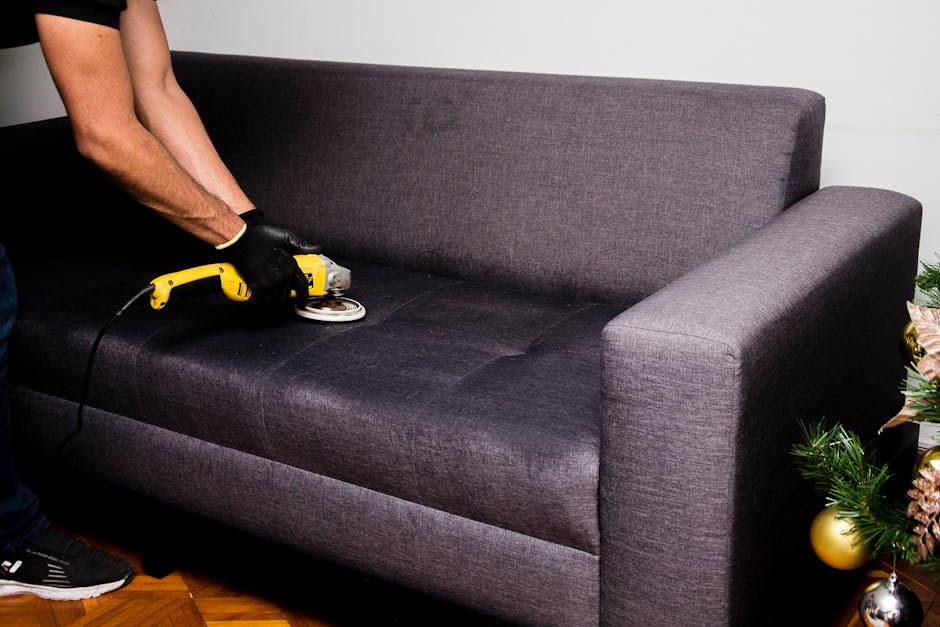
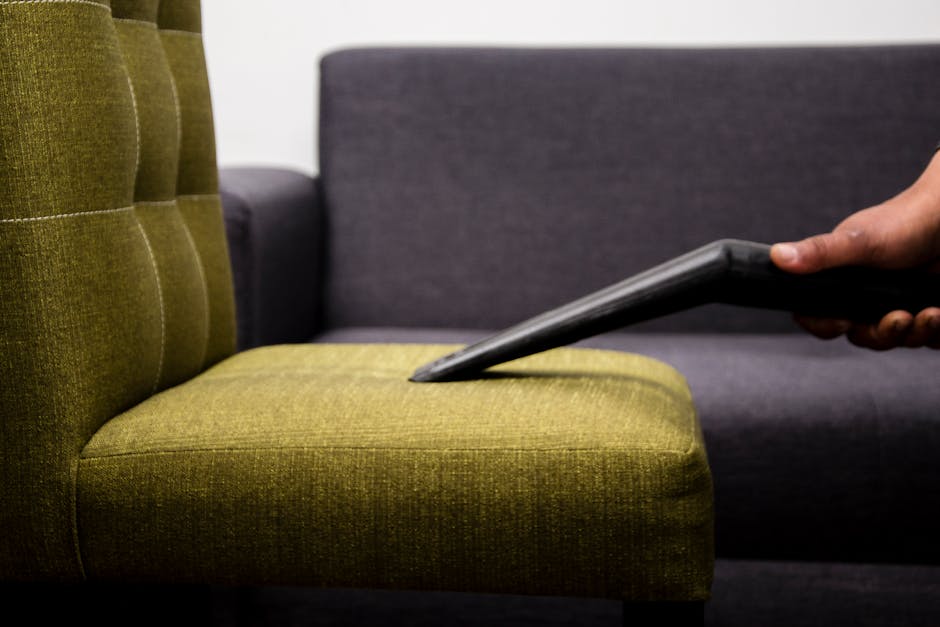
Upholstery Cleaning Selsdon Road South Croydon Tips
If your sofa has lost its colour, your armchair smells a bit musty, or the dining chairs are starting to look like they've had one too many Sunday lunches, you're in the right place. These Upholstery cleaning Selsdon Road South Croydon tips are written to help you make better decisions, avoid costly mistakes, and get a cleaner, fresher result without overcomplicating things. Truth be told, upholstery is one of those household jobs that looks simple right up until you notice how easily water marks, dye transfer, or fabric shrinkage can happen.
This guide covers how upholstery cleaning works, when DIY makes sense, when it doesn't, and how to handle fabric safely in a typical South Croydon home. You'll also find practical steps, a comparison table, and a checklist you can actually use. If you're comparing professional help too, it may be useful to look at the specialist upholstery cleaning service, along with related options like sofa cleaning and stain removal.
Table of Contents
- Why Upholstery Cleaning Matters
- How Upholstery Cleaning Works
- Key Benefits and Practical Advantages
- Who This Is For and When It Makes Sense
- Step-by-Step Guidance
- Expert Tips for Better Results
- Common Mistakes to Avoid
- Tools, Resources and Recommendations
- Law, Compliance, Standards, or Best Practice
- Options, Methods, or Comparison Table
- Case Study or Real-World Example
- Practical Checklist
- Conclusion
- Frequently Asked Questions
Why Upholstery Cleaning Selsdon Road South Croydon Tips Matters
Upholstery takes a beating in a way many people underestimate. It catches dust, skin oils, pet hair, food crumbs, drink spills, and the invisible grime that drifts in from everyday life. On a busy road or in a busy household, that adds up fast. You may not notice it day to day, but one good clean can reveal the difference immediately: brighter colour, softer fabric, less odour, and a room that feels better to sit in.
In South Croydon, homes often mix older furniture with modern fabrics, and that means one-size-fits-all advice rarely works. A velvet footstool, a synthetic family sofa, and a wool blend dining chair all need different handling. That's why simple, local, practical upholstery cleaning advice matters. It helps you decide what can be spot cleaned, what should be steam cleaned carefully, and what really needs professional attention.
There's another angle too: the wrong cleaning method can shorten the life of a piece of furniture. Too much water, too much agitation, or the wrong chemical can leave rings, rough patches, or a flat, faded finish. Nobody wants to fix a stain and create three new problems. Seen it happen, and it's not fun.
If your home also needs attention elsewhere, it can make sense to align upholstery cleaning with broader fabric care. For example, curtains, rugs, and mattresses often collect similar indoor dust and odours, so a joined-up clean can make a home feel properly refreshed. Related services such as curtain cleaning, rug cleaning, and mattress cleaning can be useful if you're planning a bigger reset.
How Upholstery Cleaning Selsdon Road South Croydon Tips Works
At its simplest, upholstery cleaning means removing dirt, stains, and odours from fabric-covered furniture without damaging the material underneath. The process usually begins with inspection. That sounds obvious, but it's the bit people skip, and it's the bit that saves trouble later. A good inspection checks the fabric type, the condition of seams, the presence of colour bleed risk, and any stains that need special treatment.
Then comes fibre identification. Upholstery fabrics vary a lot: cotton, polyester, wool blends, linen, microfibre, velvet, and more. Each reacts differently to moisture and cleaning agents. A fabric label or cleaning code gives the first clue, but if there is no label, the cleaner has to judge carefully. That's where a small patch test matters. It can save the whole job.
Most professional upholstery cleaning follows a few broad steps:
- Dry vacuuming to lift loose dust, crumbs, and pet hair.
- Pre-treatment for spots, grease marks, or general soil.
- Controlled cleaning using low-moisture extraction, foam, or suitable hot water methods.
- Careful rinsing or residue removal where appropriate.
- Drying support through air movement and sensible ventilation.
Sometimes the method is called steam cleaning, but in practice upholstery is rarely cleaned with "steam" in the literal sense. More often, it's hot water extraction or low-moisture cleaning. The distinction matters because too much heat or moisture can distort fabric. You want cleaning power, yes, but not a soggy sofa that still feels damp at bedtime.
For homes with pets or regular drink spills, stain-specific treatments may be needed before the main clean. That can include enzyme-based approaches for organic mess, grease removal for food stains, or odour work where accidents have soaked into the cushion layers. If that sounds like your situation, pet stain and odour removal is worth understanding alongside upholstery care.
Key Benefits and Practical Advantages
Good upholstery cleaning is not just about appearances, though that is often the first thing people notice. There are several practical gains, some immediate and some longer term.
- Better appearance: Fabrics look brighter, more even, and less tired.
- Reduced odours: A proper clean can lift cooking smells, pet odours, and general stale indoor scent.
- Improved comfort: Seats feel fresher and more pleasant to use.
- Longer fabric life: Removing abrasive dirt helps reduce wear on fibres.
- Healthier-feeling home: Dust and allergens trapped in fabric are reduced, though exact effects vary by home and material.
There's also a less obvious benefit: you may delay replacement. A well-kept sofa or chair can last noticeably longer when it is cleaned correctly and not over-wet or scrubbed harshly. To be fair, that matters more now than it used to. Furniture prices have climbed, and replacing a whole suite is not a small decision.
From a practical point of view, cleaner upholstery also makes the rest of the room look better. It's a bit like washing the windows and then realising the walls suddenly look less dusty. Funny how that works. Soft furnishings affect the whole visual feel of a room.
Who This Is For and When It Makes Sense
This guide is useful if you are a homeowner, tenant, landlord, letting agent, or small business owner in or around South Croydon who wants better results from furniture cleaning. It's especially relevant if you have:
- children who leave the occasional juice mark or sticky patch
- pets that shed hair, leave odours, or have the odd accident
- neutral-coloured sofas that show every mark
- older upholstered furniture you want to preserve
- new furniture you want to protect from early wear
- guest rooms, waiting areas, or reception seating that needs to look presentable
It makes sense to clean upholstery when you notice visible soil, an odour that lingers after airing out, or dullness that does not respond to vacuuming. It also makes sense after a spill, because the longer a stain sits, the more it can bond with fibres. Of course, not every mark is worth panicking over. A tiny, dry scuff on a dark fabric may be harmless. A red wine splash on a cream armchair, less so.
If you manage a business premises, fabric chairs in waiting areas and offices can age quickly. In that case, upholstery cleaning should be thought of as routine maintenance rather than an emergency fix. You might also want to compare with commercial carpet cleaning if the whole space needs a refresh.
Step-by-Step Guidance
If you are tackling upholstery cleaning yourself, the key is not speed. It is control. Slow, careful work usually gives better results than a heavy-handed all-at-once approach.
1. Read the fabric type first
Look for the care label under cushions or on the frame. If there is a cleaning code, treat it seriously. If there is no label, do a patch test in an inconspicuous spot. A hidden back panel or the underside of a cushion is usually safer than the main seat area.
2. Vacuum thoroughly
Use an upholstery attachment and remove loose dust, crumbs, pet hair, and grit. This step is boring, yes, but it makes the rest of the job cleaner and less muddy. If you skip it, you often just push dirt deeper into the weave.
3. Test your cleaning product
Apply a small amount to a hidden section and wait for the fabric to dry. Check for colour change, water marks, roughness, or texture change. A patch that looks fine when wet can look very different after drying, so give it time.
4. Treat stains before general cleaning
Spot treat problem areas gently. Blot, don't rub. Use a modest amount of product. If a stain is oily, a plain water approach may not help. If it is organic, an odour-focused treatment may be better. Different stains behave differently; annoying, but true.
5. Clean in sections
Work small areas at a time. That helps you avoid overwetting and makes drying more even. It also reduces the risk of lap marks, which are those frustrating patchy lines that show where one pass ended and another began.
6. Remove excess moisture
After cleaning, extract as much moisture as possible without stressing the fabric. If you are using a handheld machine, keep the passes steady. If you're using a cloth, use dry towels to lift remaining dampness.
7. Dry properly
Open windows if the weather allows, keep air moving, and avoid sitting on the furniture until it is fully dry. In the evening, the room may feel a little cooler and more humid, so drying can take longer than expected. Patience here matters.
8. Finish with grooming
On pile fabrics or velvet-like materials, a gentle brush in the correct direction can restore the nap and help the fabric look more even. It's a small step, but it often makes the result look much more polished.
Expert Tips for Better Results
Here are the small things that make a big difference. These are the sort of details that often separate a decent clean from a really good one.
- Use less product than you think. Excess detergent can leave residue that attracts dirt later.
- Always blot first. Rubbing spreads the stain and can rough up the pile.
- Mind the cushion filling. Some fillings hold water longer than the surface fabric. The outside may feel dry while the inside is still damp.
- Lift cushions and check seams. Dirt gathers in folds, piping, and hidden corners.
- Think about airflow. A slightly open window and a fan can be more useful than extra liquid cleaner.
- Match the method to the fabric. Velvet is not the same as synthetic weave. Sounds obvious, but people still clean them the same way and then wonder why the result looks patchy.
If the furniture has multiple issues at once, deal with the worst one first. For example, an odour problem may need attention before a visual stain, because some cleaning steps can make smells more noticeable for a while. It is a bit like cooking. You handle the strongest scent first, otherwise everything mingles into chaos.
Another useful tip: clean around the stain as well as the stain itself. If you only treat one tiny spot, you can end up with a different shade in that exact area. Blending is often the secret. Not glamorous, but effective.
Common Mistakes to Avoid
Most upholstery cleaning problems come from a handful of avoidable mistakes. If you avoid these, you're already ahead of the curve.
- Overwetting the fabric: Too much moisture can cause rings, smell, or shrinkage.
- Skipping the patch test: This is where many disasters begin.
- Using the wrong chemical: Bleach, strong solvents, and random household cleaners can damage fabrics.
- Scrubbing too hard: That may flatten fibres or spread the stain deeper.
- Cleaning only the visible mark: This can leave a halo or water mark.
- Not drying fast enough: Damp upholstery can stay stale and uncomfortable.
One more mistake, and it's a common one: assuming all "steam" cleaning is safe for all furniture. It isn't. Heat and moisture need to be controlled carefully. If a piece is delicate, antique, or made from sensitive natural fibres, it may need a lower-moisture approach or specialist handling.
And yes, sometimes the best decision is to stop halfway and get help. That is not failure. That is sensible.
Tools, Resources and Recommendations
You do not need a cupboard full of gadgets to clean upholstery well. A small, sensible kit is usually enough for maintenance and spot treatment.
- vacuum cleaner with upholstery attachment
- microfibre cloths
- soft brush for pile fabrics
- white towels for blotting
- spray bottle for controlled application
- fabric-safe cleaning solution matched to the fabric type
- fan or good ventilation for drying support
If you prefer to leave the job to a professional, look for clear communication about fabric testing, drying expectations, and stain handling. A trustworthy cleaner should explain what they will do before they start. If pricing matters, take a look at pricing and quotes so you know what information to ask for. Payment reassurance can matter too, so it is sensible to review payment and security if you want a bit more confidence before booking.
If you want to understand the company's approach to service standards and customer care, the pages on about us, insurance and safety, and health and safety policy can also help set expectations. That sort of transparency is a good sign. No need for fancy promises, just clear information.
Law, Compliance, Standards, or Best Practice
Upholstery cleaning is not usually a heavily regulated consumer task in the way some trades are, but there are still sensible standards to keep in mind. In the UK, safe handling of chemicals, proper risk awareness, and honest communication about what a fabric can tolerate all matter. If a cleaner uses detergents or stain treatments, they should use them responsibly and with care for the fabric, the property, and the people in it.
Best practice also includes checking for fabric sensitivity, being upfront about limitations, and avoiding claims that sound too absolute. For example, no one should promise that every stain will disappear completely. Some stains are permanent or partly set, especially if they have heat-set, oxidised, or penetrated into padding. A professional should say that plainly rather than dressing it up.
Where safety is concerned, it is good practice to think about ventilation, slip hazards from damp floors, and avoiding overuse of chemicals in homes with children, pets, or people with sensitivities. If a service provider explains these precautions clearly, that is reassuring. You can also look at their published terms and conditions and privacy policy when you are comparing providers, even if you are only making an enquiry.
For those who care about waste and product choice, it is reasonable to ask whether methods support reuse, reduced waste, and sensible disposal of cleaning residues. A page about recycling and sustainability can be a useful sign that the business thinks beyond the immediate job. Not every reader will care deeply about that, but many do, and fair enough.
Options, Methods, or Comparison Table
Choosing the right upholstery cleaning method depends on the fabric, the stain type, and how quickly you need the furniture back in use. Here is a simple comparison to help you think it through.
| Method | Best for | Pros | Watch-outs |
|---|---|---|---|
| Vacuum and spot clean | Light dust, small fresh marks | Quick, cheap, low risk | Won't tackle deep soil or odours |
| Low-moisture upholstery cleaning | General refresh on many fabrics | Faster drying, less saturation | May need multiple passes for heavy soil |
| Hot water extraction | Durable fabrics and deeper embedded dirt | Strong cleaning power, good for built-up grime | Needs control; not ideal for delicate fabrics |
| Foam or dry-foam cleaning | Sensitive or lightly soiled fabrics | Lower moisture, useful on delicate textiles | May not remove deep contamination |
So which method is best? That depends. If you have a sturdy family sofa with food marks and pet hair, a controlled extraction method may suit. If you have a delicate accent chair, a lower-moisture method could be safer. If you're unsure, that's normal, by the way. Fabric labels and fibre blends can be annoyingly vague.
Case Study or Real-World Example
Here's a realistic scenario. A family in South Croydon has a three-seat sofa in a light grey weave. It looks fine from across the room, but when the cushions are lifted, there's compacted dust, a faint drink ring, and a couple of darker marks where people always sit. The sofa also has a slightly stale smell from winter when the windows stayed shut for long stretches.
They start with a vacuum, using a crevice tool around seams and under the cushions. Then they test a fabric-safe cleaner on a hidden section. The patch looks okay after drying, so they treat the drink ring first, blotting carefully and avoiding heavy scrubbing. A low-moisture clean follows, with ventilation kept open and a fan running for several hours. By the next day, the sofa looks brighter, smells fresher, and the old dark patches are much less noticeable.
What made the difference? Not a miracle product. Just sensible steps, patience, and the right level of caution. In our experience, that's usually how the best upholstery results happen. Not dramatic. Just properly done.
For homes with stubborn stains or odours that won't budge, a targeted professional approach can save time and reduce risk. If the problem spreads beyond upholstery, a combined clean with steam carpet cleaning or related fabric care may make the whole room feel more cohesive. One clean often leads to another, doesn't it?
Practical Checklist
Use this quick checklist before you start. It keeps the process calm and helps you avoid the usual mistakes.
- Check the fabric label or identify the material as best you can
- Test any cleaning product on a hidden area
- Vacuum thoroughly, including seams and under cushions
- Blot spills rather than rubbing them
- Use the smallest practical amount of moisture
- Work in sections, not all at once
- Keep cushions and furniture out of use until fully dry
- Ventilate the room well
- Brush pile fabrics gently after drying
- Stop and reassess if the fabric starts to discolour, stretch, or feel rough
Quick expert summary: the safest upholstery cleaning is usually the one that uses the least moisture, the gentlest chemistry, and the most patience. A careful clean may not look flashy while you're doing it, but it nearly always looks better when the job is finished.
If you're ready to compare options or talk to someone directly, the cleanest next step is to review the service details and request a tailored quote through the site's usual booking information. It keeps things simple and saves guesswork.
Get a free quote today and see how much you can save.
Conclusion
Upholstery cleaning in South Croydon does not need to feel complicated, but it does need a bit of care. The fabric, the stain, the moisture level, and the drying time all matter. Get those right and you can refresh a tired sofa, extend the life of your furniture, and make your home feel more comfortable without replacing everything. Get them wrong and, well, you can make a small mess into a bigger one. Happens more often than people admit.
The best takeaway is simple: start gently, test first, clean with control, and do not rush the drying stage. If your furniture is delicate, heavily stained, or just too valuable to risk, choosing a professional upholstery cleaner is often the more sensible path. Either way, the goal is the same: cleaner fabric, less stress, better results.
And honestly, a fresher sofa on a quiet evening in South Croydon just makes the room feel nicer. Small thing, but it counts.
Frequently Asked Questions
How often should upholstery be cleaned?
That depends on use. A family sofa in daily use may need attention more often than a guest-room chair. As a general rule, clean when the fabric looks dull, feels tacky, or starts holding odours rather than waiting for the problem to become obvious.
Can I clean upholstery myself?
Yes, if the fabric is suitable for light cleaning and the marks are manageable. Vacuuming, gentle spot treatment, and careful blotting are good maintenance steps. For delicate fabrics, heavy staining, or strong odours, professional help is usually safer.
What is the safest cleaning method for delicate upholstery?
Lower-moisture methods are often safer for delicate pieces, but the right choice depends on the fabric. Patch testing and fabric identification matter more than picking a method by name alone.
Does upholstery cleaning remove pet smells?
It can reduce them, especially if the odour is in the fabric surface. If the smell has soaked into cushions or backing layers, a more targeted odour treatment may be needed. That is one of those jobs where surface cleaning alone may not be enough.
How long does upholstery take to dry?
Drying time varies with fabric type, cleaning method, ventilation, and room temperature. Some pieces may dry fairly quickly, while thicker cushions can take longer. Good airflow helps, and using the furniture too soon can slow things down or create marks.
Will cleaning remove every stain?
Not always. Fresh marks are usually easier than old, heat-set, or dye-based stains. A careful cleaner should explain what is likely to improve and what may remain faintly visible.
Is steam cleaning safe for all sofas?
No. The term is used loosely, and some fabrics do not tolerate heat or moisture well. A proper assessment should come before any hot-water or steam-style treatment.
What should I do immediately after a spill?
Blot the liquid with a clean towel, work from the outside of the spill inward, and avoid rubbing. If possible, treat it sooner rather than later, because older stains are harder to shift.
How can I tell if my fabric is colourfast?
A patch test is the best clue. Apply a tiny amount of cleaner to a hidden area and let it dry fully. If the colour changes, bleeds, or leaves a ring, stop and choose a different method.
Is it worth paying for professional upholstery cleaning?
Often, yes, especially if the furniture is expensive, delicate, heavily used, or stained in more than one place. A professional clean can save time and reduce the risk of accidental damage, which is usually the main reason people book one in the first place.
Can upholstery cleaning help with allergies?
It may help reduce dust and other particles trapped in fabric, though results vary by home and cleaning method. It is best thought of as part of a wider cleaning routine rather than a guaranteed fix.
What should I ask before booking a cleaner?
Ask about fabric testing, drying expectations, stain limitations, insurance, and the cleaning method they plan to use. Clear answers are a good sign. If you need a bit more background before booking, the pages on insurance and safety and contact details are useful places to start.
If you are comparing providers, it can also help to review the business information on complaints procedure, accessibility statement, and recycling and sustainability. Small details, maybe, but they tell you a lot about how a company works.